



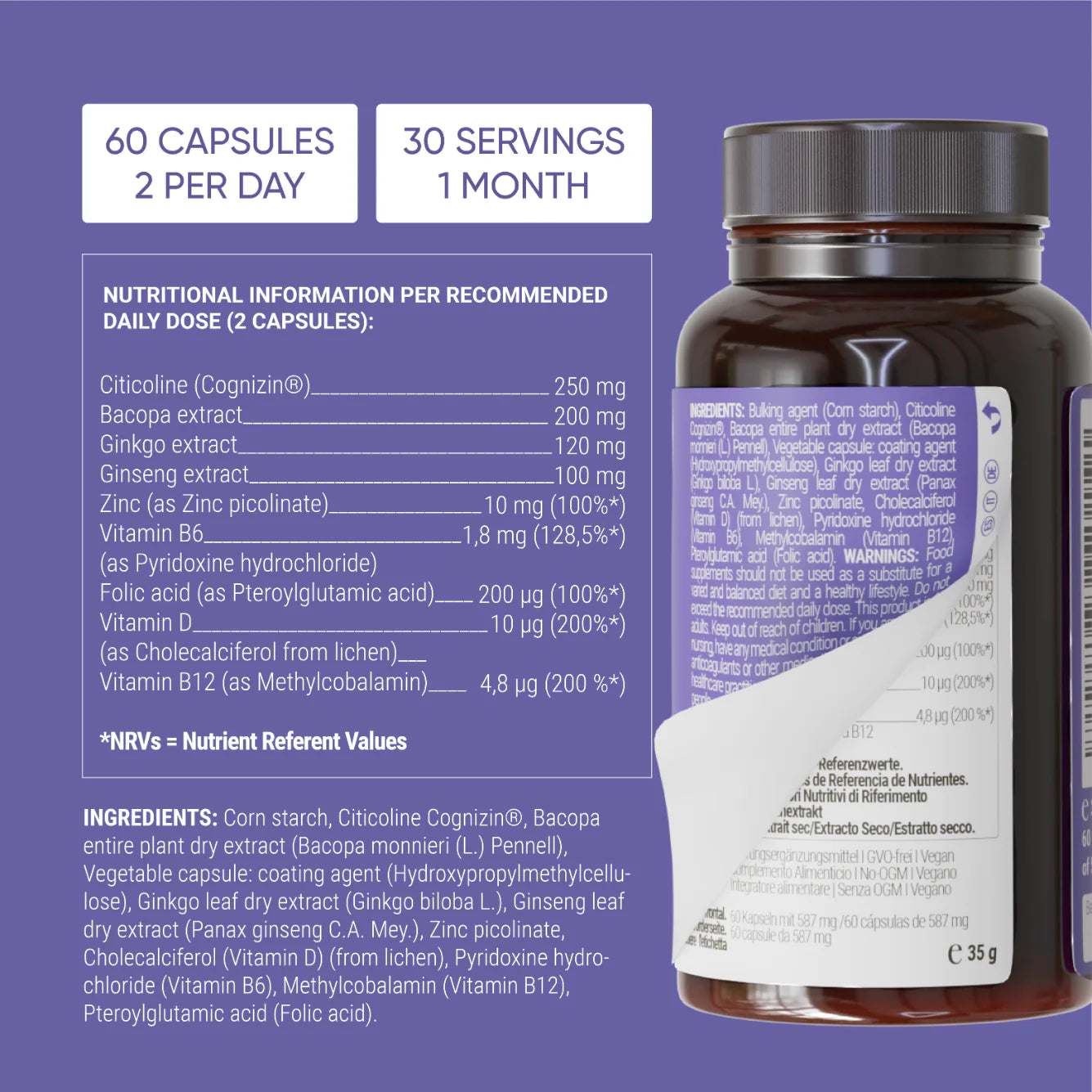
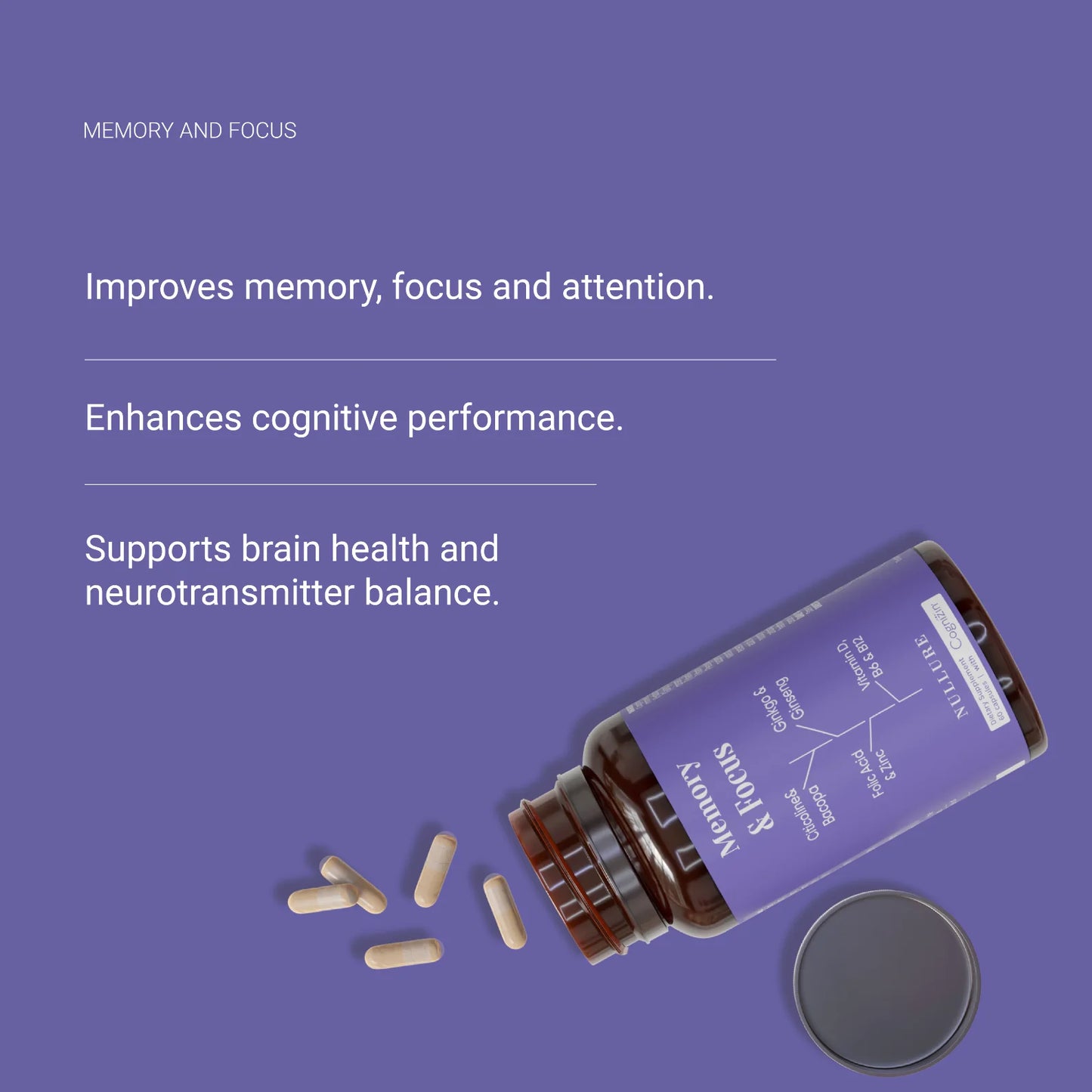
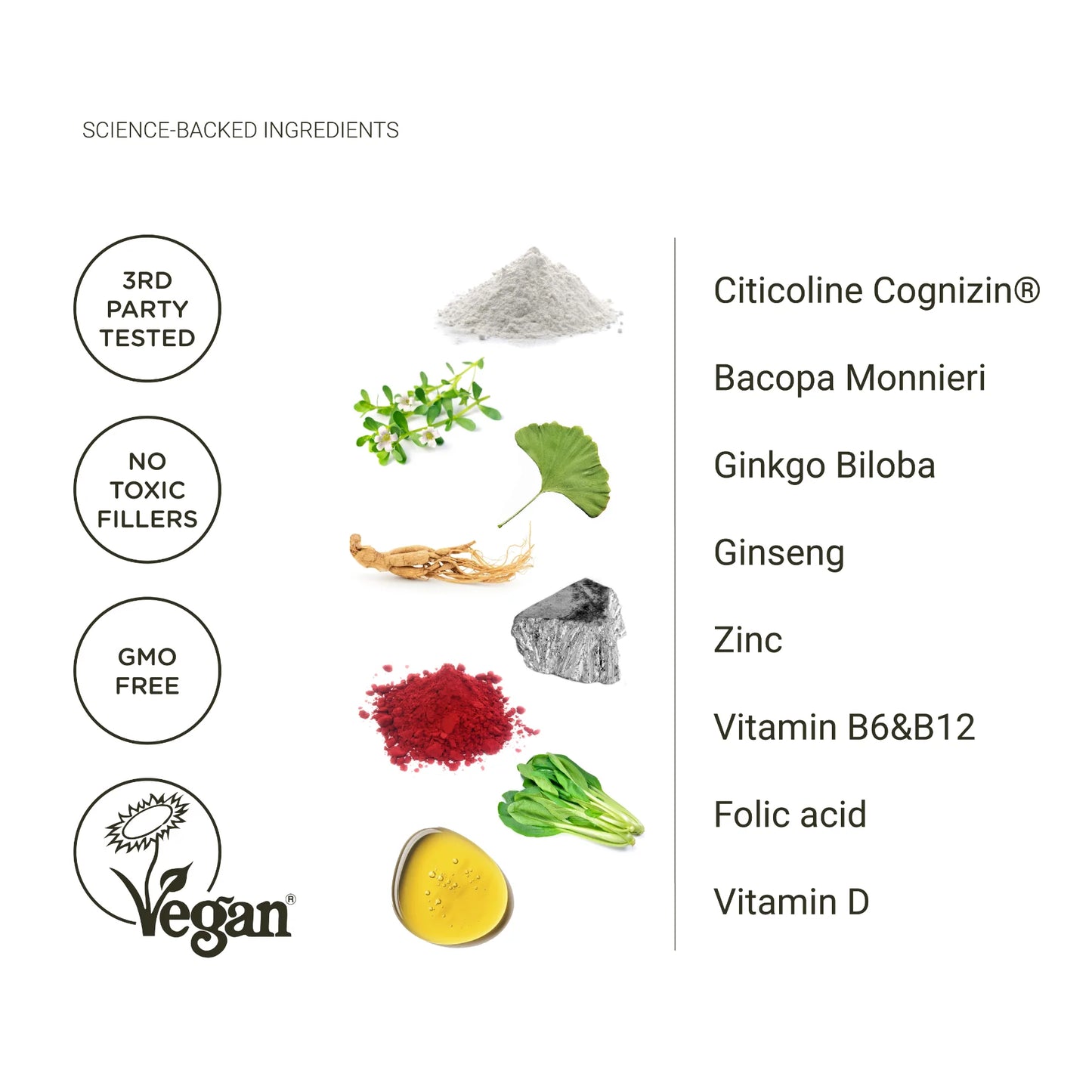

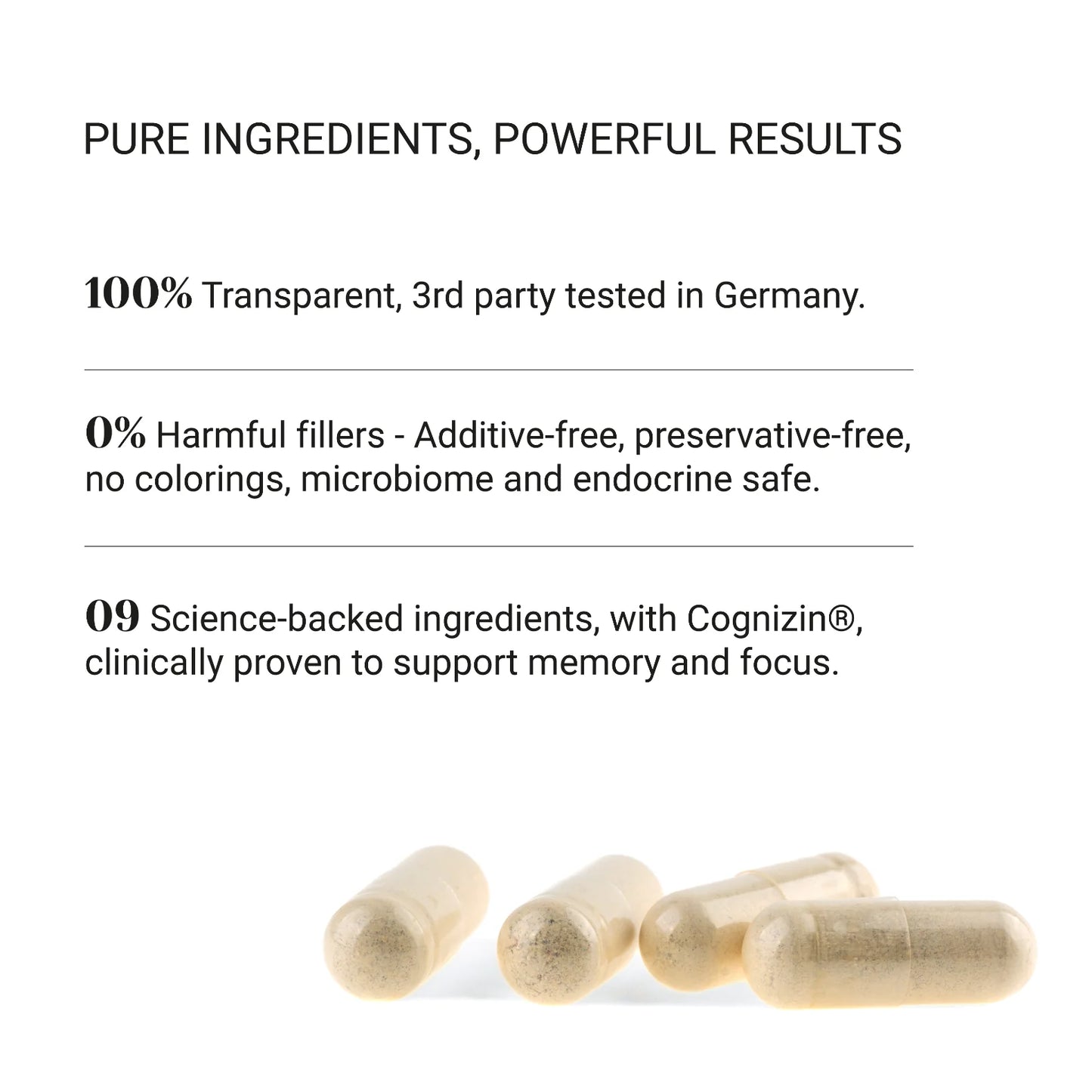

Product Details
Formulated by experts, built on scientific research, and made without additives.
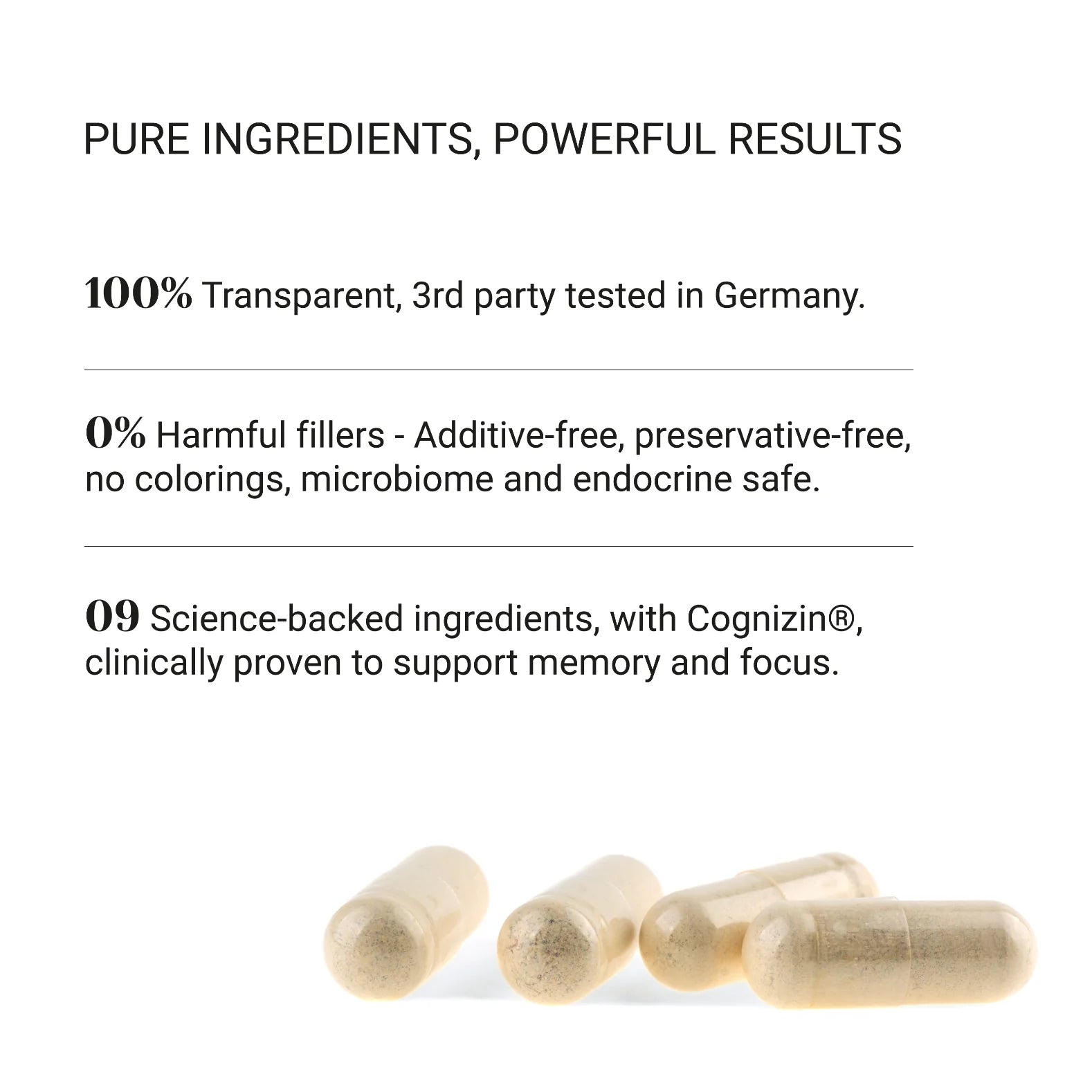
Every Nullure product uses ingredients sourced from trusted partners, is third-party tested in Germany for purity and carefully manufactured in small batches in Spain funder strict EU GMP standards.
Clinical Research
test
Ingredients You Can Trust
Every formula is built on ingredients backed by human clinical studies, dosed at effective levels, and chosen for bioavailability — how well your body absorbs and uses them. Each ingredient is rigorously vetted and sourced from trusted partners who standardize and batch-test for potency, ensuring quality and real, consistent results.


The NULLURE Safety Standard
We Test for 60+ Markers of Purity
Best Sellers
The formulas our customers come back to, month after month. Developed in-house by nutrition experts, dosed for real results, and tested beyond industry standards. Rooted in research, confirmed by the people who take them every day.


Frequently Asked
Total 5 star reviews: 27 Total 4 star reviews: 7 Total 3 star reviews: 0 Total 2 star reviews: 0 Total 1 star reviews: 0
100%would recommend this product
Slide 1 selected
34 reviews
- GGiorgioVerified BuyerRated 5 out of 5 stars2 years agoGreat product
It really helped me to relax and not feel tired after work.
- MAMaria angeles P.Verified BuyerRated 5 out of 5 stars3 years agoMuy fan de este producto Notropico.
Tomé la decisión de adquirirlo porque estoy ocupada con mis hijos pequeños y últimamente he tenido periodos de trabajo intenso, así que necesitaba un impulso extra de concentración y energía. Después de varias semanas tomando una pastilla junto con mi café matutino, puedo afirmar que estoy experimentando los efectos deseados: mayor claridad mental, menos fatiga y ahora puedo dedicar un par de horas por la noche a seguir trabajando. Planeo continuar tomándolo.
- ESEdward S.Verified ReviewerRated 5 out of 5 stars3 years agoConcentration Booster with Cognizin
I've been consistently using it on a daily basis for approximately a month now, and there's no doubt that my memory has improved noticeably. I can concentrate better on my tasks and retain all the specifics, which holds great significance in my profession. Additionally, I appreciate the fact that it's composed entirely of natural ingredients, particularly Ginko Biloba, renowned for its benefits in enhancing circulation and reducing stress, along with Cognizin, a component that sets it apart from many other similar products. The capsules are easy to swallow and there is no after taste. Very recommendable.
- MMirtilloVerified BuyerRated 5 out of 5 stars2 months agoBuoni risultati con costanza..no miracle so take always
Dopo alcuni mesi di utilizzo ho notato miglioramenti nella concentrazione. Serve un po’ di tempo, ma funziona.
- HHelenVerified BuyerRated 5 out of 5 stars1 month agoGute Unterstützung (50+)
Mein Partner und ich nehmen es beide und merken eine bessere Konzentration im Alltag. Wir haben schon nachbestellt.
The Nullure Journal
We write about health and wellness the way we formulate — starting from the research. Every article is written by qualified experts in nutrition, health, and human performance and based on peer-reviewed science. If you're curious about nutrition, supplements, and how your body works, the Nullure Journal might be just the thing for you.
-

Understanding the Brain-Body Connection: Key Insights on Neuroinflammation, Gut Health | Nullure
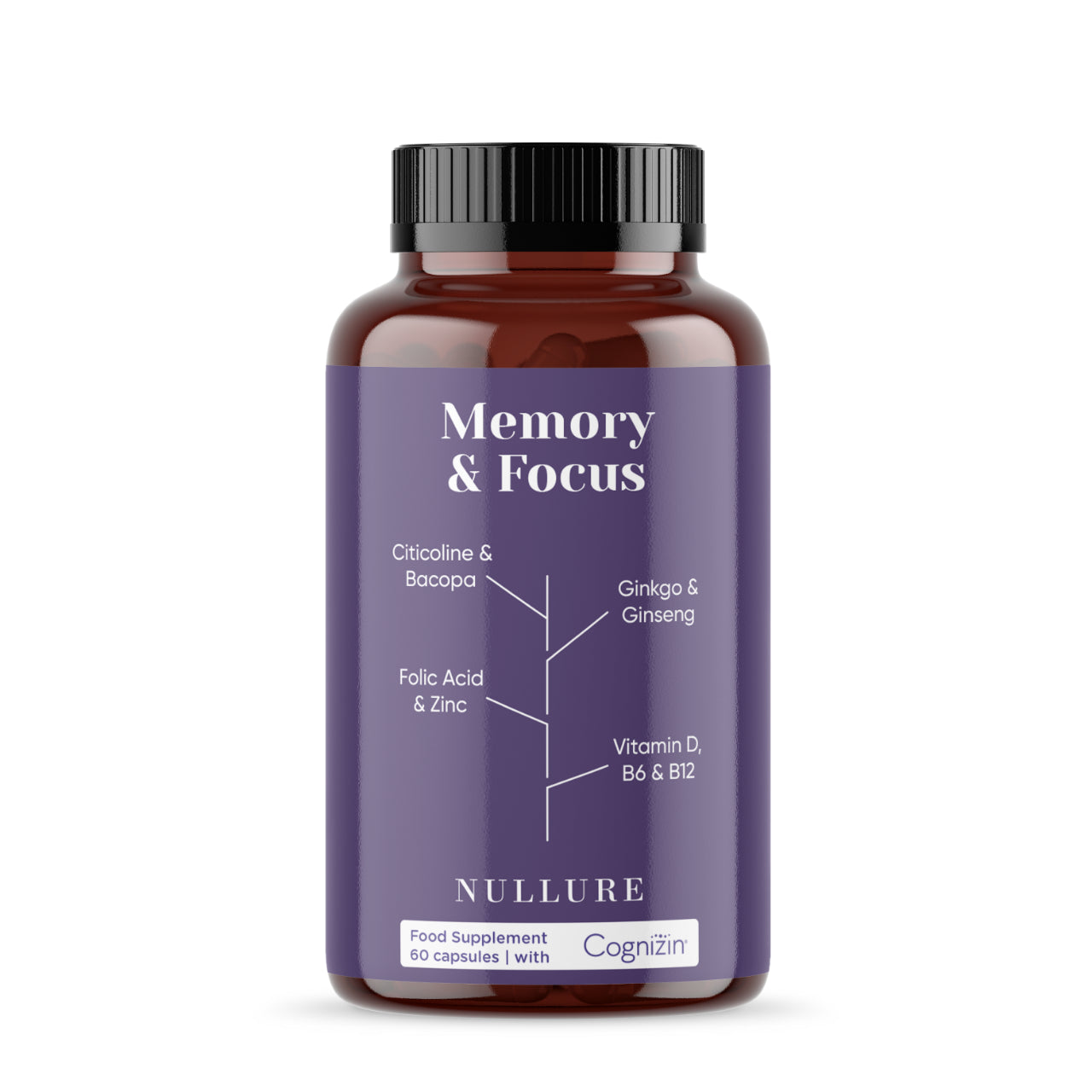
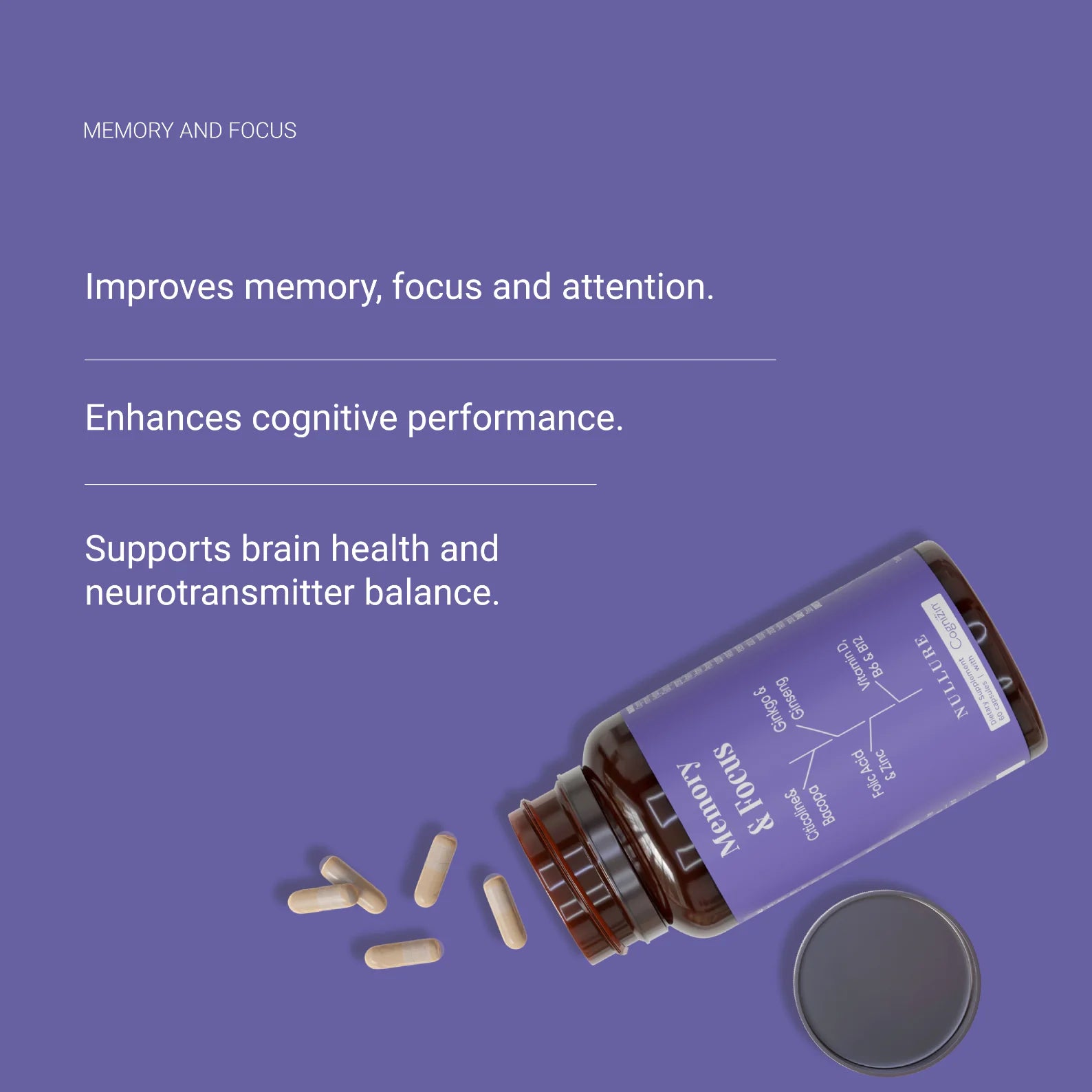
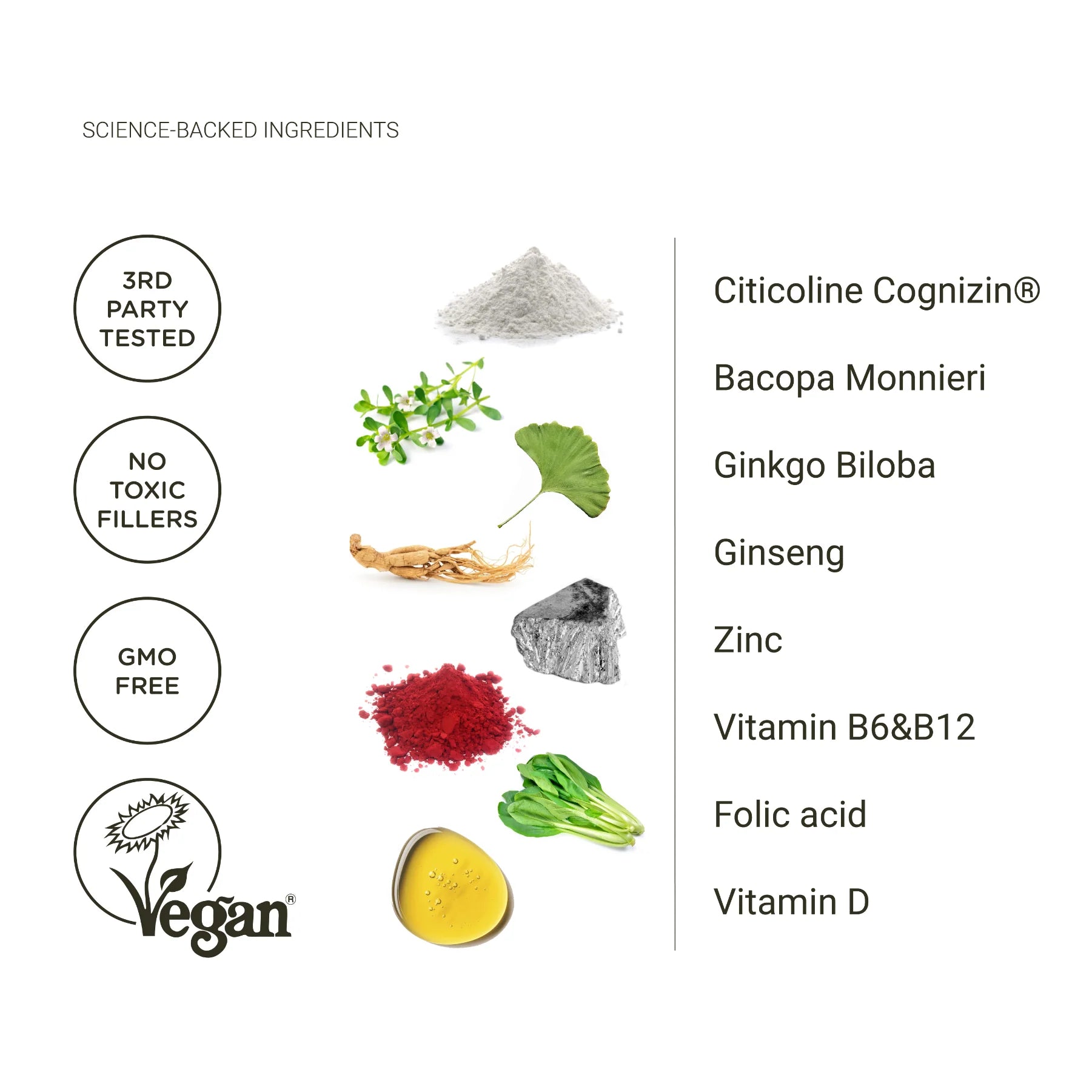
There’s a strong connection between neuroinflammation and chronic diseases. Persistent brain inflammation contributes to neurodegenerative diseases like Parkinson’s and Alzheimer’s, as well as mental health challenges such as depression and anxiety. Conditions like diabetes and heart disease, which cause systemic inflammation, can also trigger brain inflammation, creating a harmful cycle. By reducing inflammation, we can support brain health and potentially prevent or slow chronic disease progression. In this article, we delve into key aspects of these interconnected systems. Explore what neuroinflammation is, its link to chronic disease, and practical ways to manage it. Additionally, we’ll examine the gut-brain axis, highlighting how gut health affects mental wellness and discussing dietary and supplementary support for improved outcomes. Why Neuroinflammation Matters and How to Manage It What is Neuroinflammation? Neuroinflammation refers to the immune system’s response within the central nervous system (CNS), particularly the brain and spinal cord. While inflammation is a natural mechanism to combat infections or injuries, chronic inflammation in the brain can lead to significant issues. It is driven by overactivation of microglia, the brain’s resident immune cells, which release inflammatory molecules such as cytokines and chemokines. (1, 2) This prolonged inflammatory state disrupts the balance of brain health, impairing neuronal communication and damaging brain tissue. Over time, it can lead to cognitive health problems, including memory loss and a decline in mental sharpness. Understanding what neuroinflammation is and why it matters is crucial to mitigating its impact. (2) Link Between Neuroinflammation and Chronic Disease There’s a strong connection between neuroinflammation and chronic diseases. Research indicates that persistent brain inflammation is a contributing factor to neurodegenerative conditions such as Alzheimer’s and Parkinson’s diseases. It also exacerbates cognitive decline, depression, and anxiety, showcasing its far-reaching effects on mental and physical health. (3, 4, 5) Chronic diseases, including diabetes, cardiovascular conditions, and autoimmune disorders, often involve systemic inflammation, which can spill over into the CNS. This bidirectional relationship highlights the importance of managing inflammation at both the systemic and neuronal levels. (3, 4) Triggers of Neuroinflammation Neuroinflammation can be triggered by various factors, many of which are linked to modern lifestyles. Understanding these causes and triggers of brain inflammation is critical for prevention and management. Chronic Stress: Persistent stress overstimulates the hypothalamic-pituitary-adrenal (HPA) axis, leading to elevated cortisol levels. Over time, this can activate microglia and contribute to brain inflammation. (6, 7) Poor Diet: Diets high in refined sugars, trans fats, and processed foods promote systemic inflammation, which can cross into the brain. These foods that cause neuroinflammation often disrupt the gut microbiome, worsening the gut-brain connection. (8, 9) Infections: Viral, bacterial, or fungal infections can spark an immune response in the central nervous system, leading to prolonged inflammation if not resolved. (10) Environmental Toxins: Exposure to pollutants, heavy metals, and pesticides can induce oxidative stress and damage neurons, further fueling neuroinflammation symptoms. (11, 12) Sleep Disorders: Poor sleep quality or chronic insomnia disrupts the brain’s natural detoxification process, allowing inflammatory compounds to accumulate. (13) Chronic Diseases: Conditions like obesity, diabetes, and cardiovascular disease often involve systemic inflammation that can exacerbate brain inflammation. (14, 15) Practical Tips to Manage Neuroinflammation Reducing neuroinflammation naturally involves lifestyle adjustments and targeted strategies. Here’s how we can take control: Adopt an Anti-Inflammatory Diet: Focus on a diet for brain health rich in whole foods, such as leafy greens, berries, fatty fish, and nuts. These provide antioxidants and omega-3 fatty acids that combat inflammation. Avoid highly processed foods and excessive sugar. (16, 17) Incorporate Anti-Inflammatory Supplements: Supplements like curcumin, omega-3 fatty acids, and saffron are known to reduce inflammation. Adding top supplements for reducing brain inflammation can support long-term cognitive health. (18, 19) Prioritize Gut Health: Maintaining a balanced gut microbiome with probiotics for mental health and prebiotics can help reduce systemic and brain inflammation. A healthy gut fortifies the gut-brain connection, preventing inflammation from spreading to the brain. (20) Manage Stress: Practicing mindfulness, meditation, or yoga can regulate the HPA axis and reduce cortisol levels. A calm mind supports better brain health and minimizes inflammation. (21) Improve Sleep Hygiene: Ensure 7–9 hours of quality sleep each night. Deep sleep helps the brain clear waste products and inflammatory compounds. (22, 23) Exercise Regularly: Moderate physical activity reduces systemic inflammation and improves blood flow to the brain, supporting both brain health and the vagus nerve for improved communication between the gut and brain. (24) Limit Exposure to Toxins: Minimize contact with environmental pollutants and opt for organic foods when possible to reduce toxin-induced brain inflammation. (25) The Gut-Brain Connection: A Deeper Dive The gut-brain connection is a two-way communication network between the central nervous system and the gut, often referred to as the "second brain." This connection is vital for regulating mood, cognition, and overall mental health. Let’s explore the gut-brain axis and its profound impact on our well-being. (26) Understanding the Gut-Brain Axis The gut-brain axis is the bidirectional link between the gut and the brain, mediated by the vagus nerve, hormones, and the immune system. The gut houses trillions of microorganisms collectively known as the gut microbiome, which play a pivotal role in brain and cognitive health. Vagus Nerve Communication: This nerve acts as a highway, transmitting signals between the gut and the brain. For example, inflammation in the gut can send stress signals to the brain, affecting mood and cognition. (27, 28) Gut Microbiome’s Role: A balanced gut microbiome supports the production of neurotransmitters like serotonin and dopamine, which are crucial for emotional and mental stability. (29) Leaky Gut and Inflammation: A compromised gut lining, often called "leaky gut," allows harmful substances to enter the bloodstream. This can trigger systemic inflammation, which ultimately affects brain health. (30, 31) Understanding the gut-brain axis and its role in health is key to improving mental and physical resilience. How Gut Health Affects Mental Health A healthy gut is essential for maintaining a balanced mind. Here’s how:Supports Serotonin Production: About 90-95% of serotonin, the "feel-good" hormone, is produced in the gut. An unhealthy gut can disrupt its production, contributing to anxiety and depression. (32, 33, 34, 35) Reduces Systemic Inflammation: A healthy gut limits systemic inflammation, protecting the brain from inflammatory damage that can impair cognitive health and emotional regulation. (36, 37) Regulates Stress Responses: A balanced gut microbiome helps regulate the HPA axis, minimizing stress responses and supporting the vagus nerve for better mental health. (33) Protects Against Depression: Studies have shown a direct link between gut microbiome and depression, highlighting the need to prioritize gut health for mental wellness. (32, 38) Top Dietary and Supplementary Support for Gut Health To strengthen the gut-brain connection and promote mental well-being, consider these dietary and supplementary approaches: Probiotics: Foods like yogurt, kefir, and fermented vegetables introduce beneficial bacteria to the gut. Adding probiotics for mental health can improve mood and reduce anxiety. (39, 40) Prebiotics: Found in a variety of fiber-rich foods, such as fruits, vegetables, and legumes, prebiotics serve as nourishment for beneficial gut bacteria, fostering a healthy and robust microbiome. The more variety you get, the better for supporting your microbiome diversity. (41, 42) Anti-Inflammatory Foods: Include foods rich in omega-3 fatty acids (e.g., salmon, walnuts) and polyphenols (e.g., berries, green tea) to reduce inflammation and protect both gut and brain health. (17, 43) Gut Health Supplements: Supplements such as L-glutamine, zinc, and digestive enzymes repair the gut lining and support a healthy microbiome, enhancing the gut-brain axis. (44, 45) Targeted Herbal Supplements: Certain herbs and natural extracts can play a significant role in supporting the gut-brain connection. For example ashwagandha helps regulate stress by balancing cortisol levels, reducing inflammation, and improving gut resilience to stress. Rhodiola Rosea enhances serotonin production, reduces fatigue, and supports mental resilience, positively influencing the gut-brain axis. (45, 47, 48, 49, 50, 51) Hydration: Staying hydrated aids digestion and supports a healthy gut lining. (52)Limit Trigger Foods: Avoid foods high in sugar, trans fats, and artificial additives, which disrupt the microbiome and contribute to leaky gut. (53, 54) By adopting these strategies, we can nurture the gut-brain connection and foster better mental health, resilience, and cognitive performance. Nullure's Suggestion for Supporting Brain and Gut Health: To further enhance your brain and gut health, we recommend the following Nullure products: Memory-Focus-Nootropic: Our Memory & Focus supplement is formulated to boost cognitive performance through a powerful blend of ingredients like Cognizin, Ginseng, and B Vitamins. It enhances memory, focus, and attention while supporting overall brain health by maintaining healthy levels of protective neurotransmitters and ensuring a balanced neuronal growth and neuroprotection. This supplement is essential for anyone looking to fuel brain energy, support neurotransmitter balance, and promote healthy aging. Ashwagandha KSM-66: Ashwagandha KSM-66 is a premier adaptogen that enhances mental and physical wellness by modulating stress responses and supporting overall homeostasis. It significantly reduces stress and anxiety, improves sleep quality, and boosts memory and cognition. Additionally, it enhances energy levels and physical performance, making it an excellent choice for those looking to increase endurance and manage daily stressors effectively. This supplement also acts as a potent antioxidant and anti-inflammatory agent, bolstering the immune system and promoting long-term health.
Read Article -

What is Nicotinamide Riboside?
Nicotinamide riboside (NR) is a safe and effective way to boost NAD+ levels, which is a key factor in anti-aging. NAD+ levels decline naturally with age, and this decline is linked to a number of age-related diseases.
Read Article


Our Community
Our community is our biggest motivation. Every day, real people share how Nullure fits into their lives — their routines, their goals, their results. Every person who chooses us is a reminder of why we do this and we are grateful for every story they share. Follow us — we'd love to see yours.
Brand Ambassadors
Our ambassadors in the health and science space share the same standards we do — evidence-based, rigorous, and uncompromising on quality. They choose Nullure because they know exactly what goes into every capsule — and why.


