Formulated by experts, built on scientific research, and made without additives.
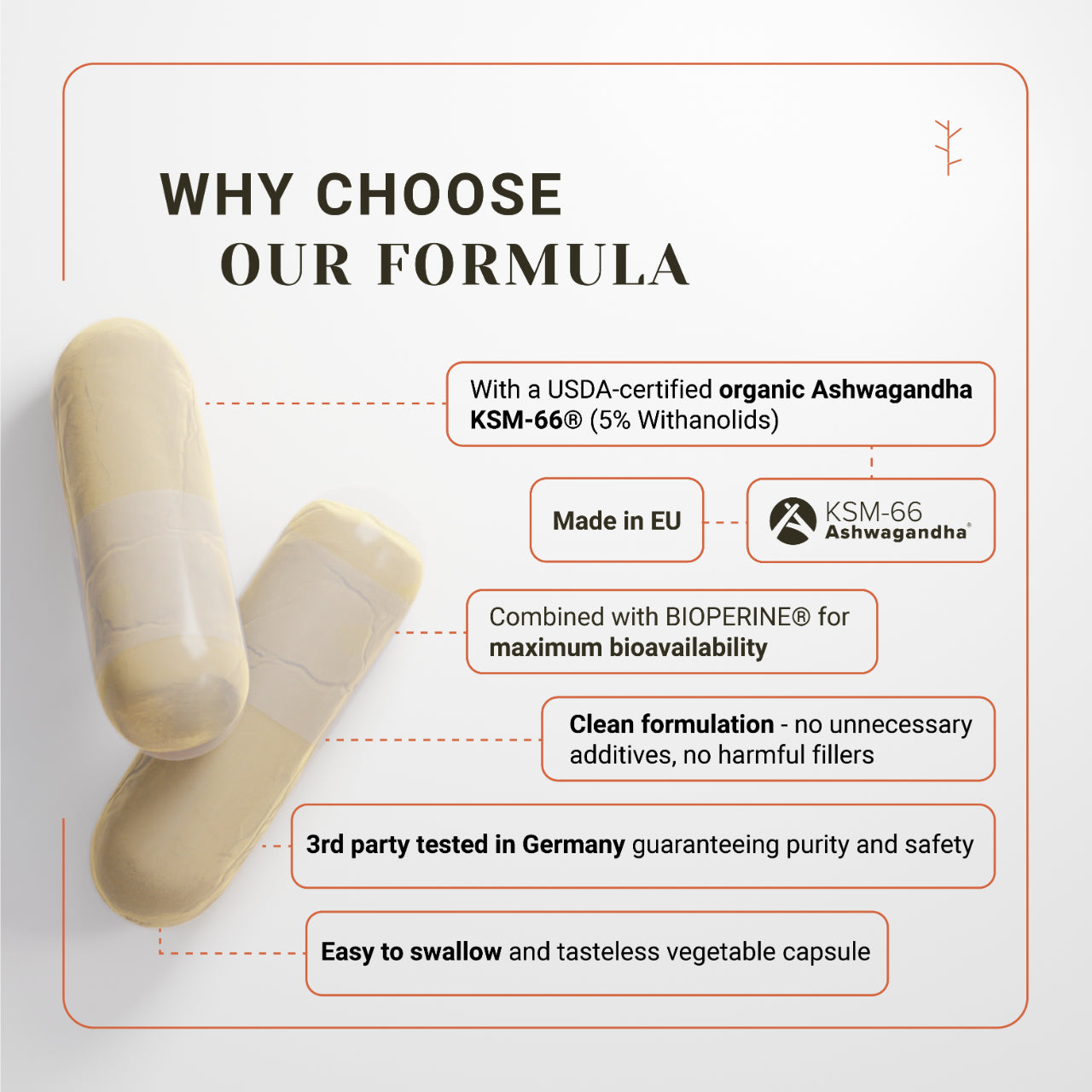
Every Nullure product uses ingredients sourced from trusted partners, is third-party tested in Germany for purity and carefully manufactured in small batches in Spain funder strict EU GMP standards.
Ashwagandha KSM-66® supplements
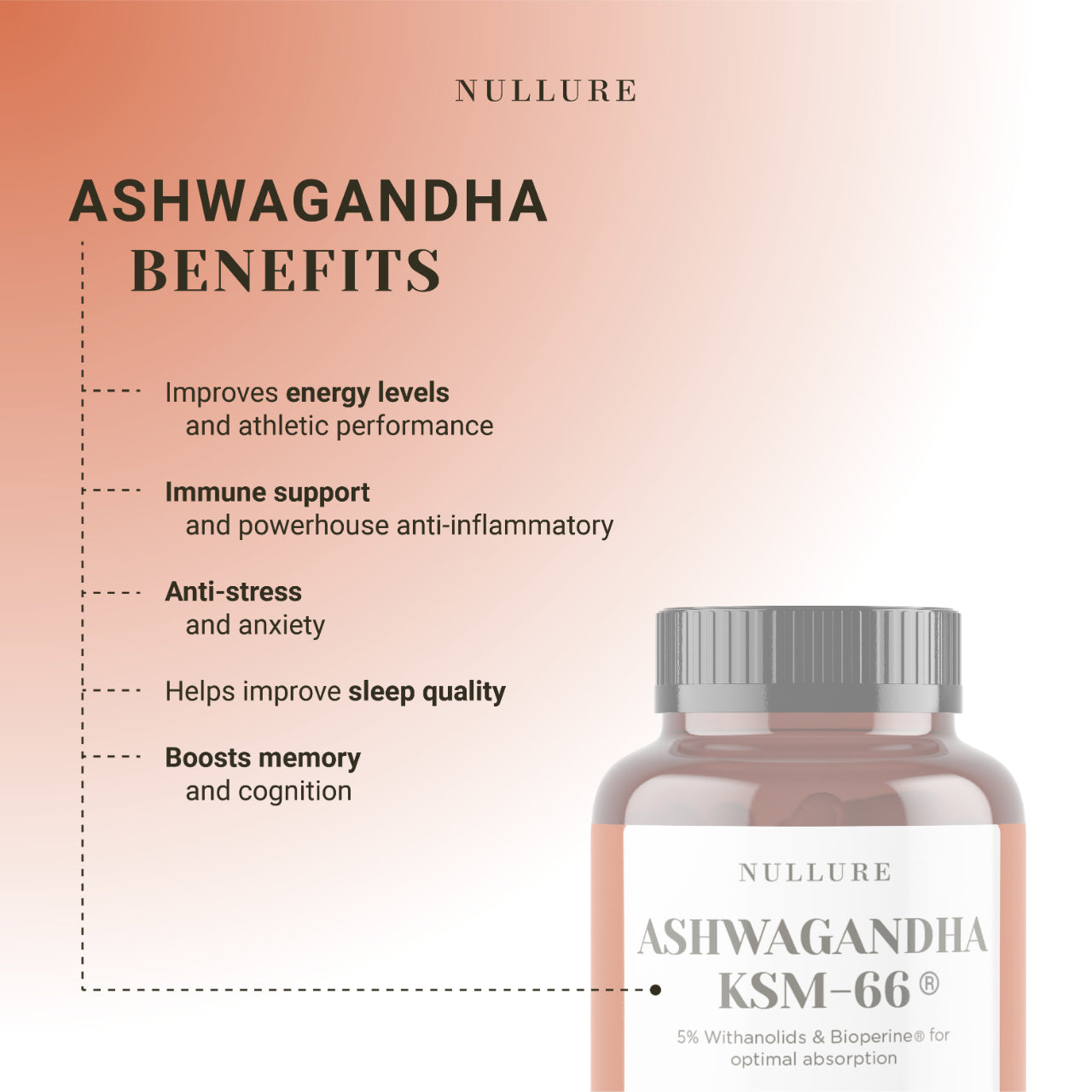
+ Anti-stress & anxiety
+ Improves energy levels
+ Enhances physical performance
+ Promotes better sleep quality
+ Improves memory and cognition
+ For immune support, antioxidant & anti-inflammatory
Take 1 capsule, 2 times per day, preferably with meals.
• Third-Party Testing:
Every batch of Ashwagandha KSM-66® is independently tested by a third-party laboratory for microbiological contaminants, yeast, and moulds, and verified GMO-free. In addition, Ashwagandha KSM-66® undergoes annual independent testing with AGROLAB LUFA for purity beyond industry standards, including heavy metals, mycotoxins, polycyclic aromatic hydrocarbons (PAHs), and pyrrolizidine alkaloids.
• Patents:
KSM-66® is a patented, full-spectrum Ashwagandha root extract — the most clinically studied Ashwagandha extract in the world, made using a proprietary, low-temperature extraction process that preserves the root's natural compounds and delivers a guaranteed 5% withanolides in every batch.
• Certifications:
Ashwagandha KSM-66® is certified by the Vegan Society.
Gluten-Free · Allergen-Free · Made Without Additives.
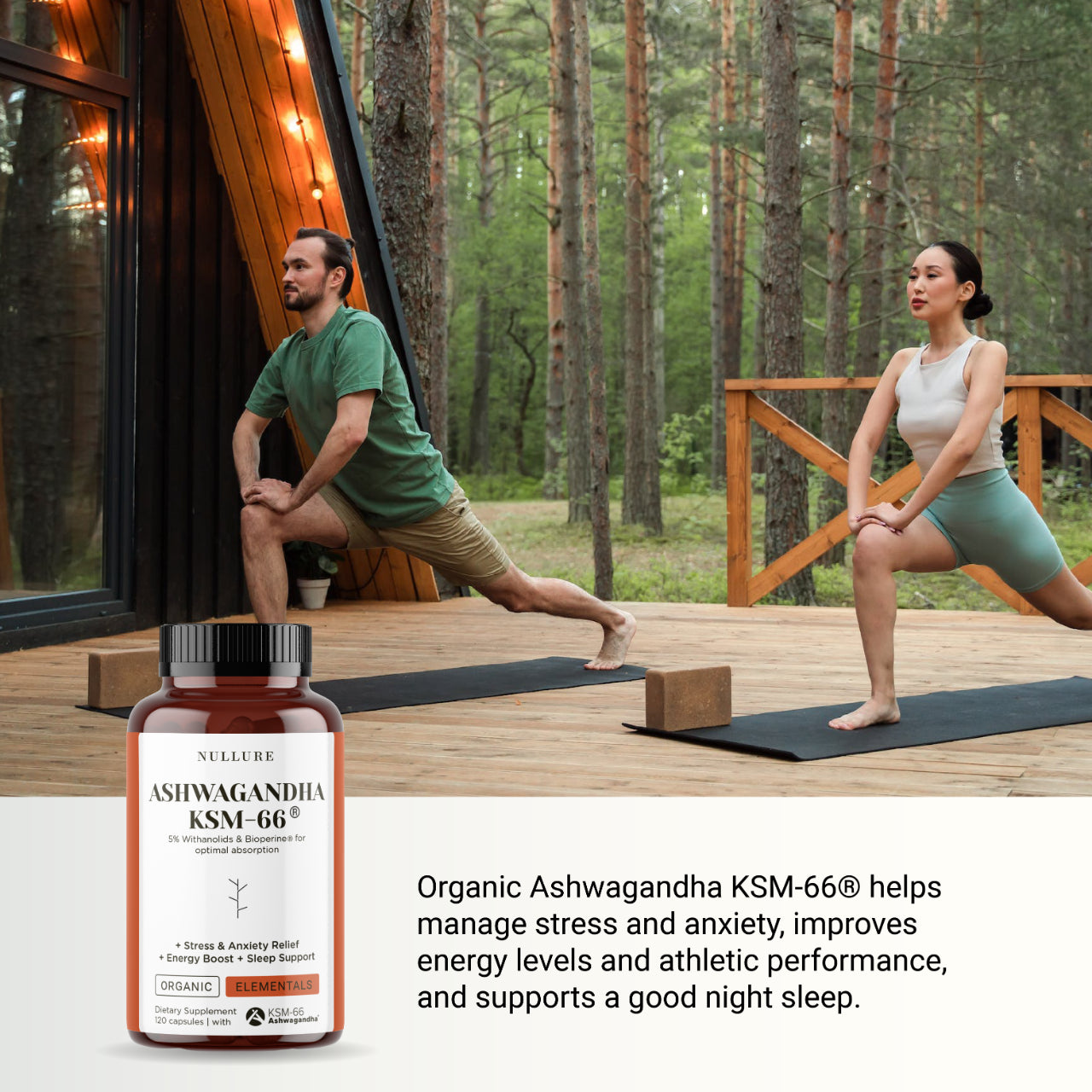
Ashwagandha helps reduce stress and anxiety levels by moderating the body´s response to stress via its modulating effect on the Hypothalamo-Pituitary-Adrenal (HPA) axis activity, resulting in lower levels of cortisol. (1),(2)
It also stimulates GABA activity (also known as the calming neurotransmitter). (3)
Ashwagandha may also exert a positive effect on psychological wellbeing and mood. (1),(2)
Energy Levels and Physical Performance
Ashwagandha improves energy levels by supporting mitochondrial health and efficiency. (4)
Ashwagandha supplementation is associated with improved athletic performance, VO2max and improved muscle power. (5), (6)
Ashwagandha may also have a beneficial effect on reducing overall fatigue and improving post-exercise recovery due to its antioxidant and anti-inflammatory properties. (6)
Sleep quality
Ashwagandha is associated with improved quality, efficiency, and quantity of sleep (1),(3),(7) possibly through its potentiating GABA-mimicking effect. (3)
Memory and Cognition
Ashwagandha supplementation is associated with an improvement in visual memory, new learning, sustained focus and information-processing speed. (1), (8)
Immune Support, Antoxidant & Anti-inflammatory
Ashwagandha acts as an antioxidant by stimulating the body´s own antioxidant mechanisms, thus acting against oxidative stress. Additionally, it decreases proinflammatory cytokines and reduced neuroinflammation and general inflammatory markers like CRP (C-reactive protein), supporting the immune system. (3),(9)
With BIOPERINE for improved absorption
Bioperine is a 95% piperine extract from the fruits of black pepper. It works as a bioavailability enhancer, meaning that taken together with Ashwagandha, it is known to improve its absorption. (10)
Reference link
1. Gopukumar K, Thanawala S, Somepalli V, Rao T, Thamatam V, Chauhan S. Efficacy and Safety of Ashwagandha Root Extract on Cognitive Functions in Healthy, Stressed Adults: A Randomized, Double-Blind, Placebo-Controlled Study. Evid Based Complement Alternat Med [Internet]. 2021 Nov [cited 2023 Jul 07]; Article number 8254344.
2. Lopresti A, Smith S, Malvi H, Kodgule R. An investigation into the stress-relieving and pharmacological actions of an ashwagandha (Withania somnifera) extract. Medicine (Baltimore) [Internet]. 2019 Sep [cited 2023 Jul 07]; 98(37): Article number e17186.
3. Speers A, Cabey K, Soumyanath A, Wright K. Effects of Withania somnifera (Ashwagandha) on Stress and the Stress- Related Neuropsychiatric Disorders Anxiety, Depression, and Insomnia. Curr Neuropharmacol. 2021 Jul; 19(9): 1468-1495.
4. Singh N, Bhalla M, de Jager P, Gilca M. An Overview on Ashwagandha: A Rasayana (Rejuvenator) of Ayurveda. Afr J Tradit Complement Altern Med. 2011 Jul; 8(5): 208-213.
5. Pérez-Gómez J, Villafaina S, Adsuar J, Merellano-Navarro E, Collado-Mateo D. Effects of Ashwagandha (Withania somnifera) on VO2max: A Systematic Review and Meta-Analysis. Nutrients [Internet]. 2020 Apr [cited 2023 Jul 07]; 12(4): Article number 1119
6. Bonilla D, Moreno Y, Gho C, Petro J, Odriozola-Martinez A, Kreider R. Effects of Ashwagandha (Withania somnifera) on Physical Performance: Systematic Review and Bayesian Meta-Analysis. J Funct Morphol Kinesiol [Internet]. 2021 Mar [cited 2023 Jul 07]; 6(1): Article number 20.
7. Langade D, Kanchi S, Salve J, Debnath K, Ambegaokar D. Efficacy and Safety of Ashwagandha (Withania somnifera) Root Extract in Insomnia and Anxiety: A Double-blind, Randomized, Placebo-controlled Study. Cureus [Internet]. 2019 Sep [cited 2023 Jul 07]; 11(9): Article number 5797.
8. Choudhary D, Bhattacharyya S, Bose S. Efficacy and Safety of Ashwagandha (Withania somnifera (L.) Dunal) Root Extract in Improving Memory and Cognitive Functions. J Diet Suppl. 2017 Nov; 14(6): 599-612
9. Sun G, Li R, Cui J, Hannink M, Gu Z, Fritsche K, et al. Withania somnifera and Its Withanolides Attenuate Oxidative and Inflammatory Responses and Up-Regulate Antioxidant Responses in BV-2 Microglial Cells. Neuromolecular Med. 2016 Sep; 18(3): 241-252.
10. Fernández-Lázaro D, Mielgo-Ayuso J, Córdova-Martínez A, Seco-Calvo J. Iron and Physical Activity: Bioavailability Enhancers, Properties of Black Pepper (Bioperine®) and Potential Applications. Nutrients [Internet]. 2020 Jun [cited 2023 Jul 07]; 12(6): Article number 1886.
Expert-Formulated
Third-Party Tested
No Additives
Trusted Ingredients
Made in Spain
Expert-Formulated
Third-Party Tested
No Additives
Trusted Ingredients
Made in Spain
Ingredients You Can Trust
Every formula is built on ingredients backed by human clinical studies, dosed at effective levels, and chosen for bioavailability — how well your body absorbs and uses them. Each ingredient is rigorously vetted and sourced from trusted partners who standardize and batch-test for potency, ensuring quality and real, consistent results.
The formulas our customers come back to, month after month. Developed in-house by nutrition experts, dosed for real results, and tested beyond industry standards. Rooted in research, confirmed by the people who take them every day.
I have been taking aswhagandha for years for its multiple benefits and properties. I decided to buy this one to try it out. Very pleased with the purchase, good quantity, easy-to-take capsules with no taste, and above all good price considering it is of the ksm-66 type which is the best. Additionally, black pepper also improves absorption and the benefits are more noticeble.
M
Miquel
Verified Buyer
I recommend this product
How old are you? 25-34
What is your gender? Male
Rated 5 out of 5 stars
3 years ago
Buenos Resultados
Estoy muy contento con el resultado del producto. Estoy mucho más calmado y me concentro durante periodos más largos. Ha mejorado mi estabilidad emocional asi como se ha reducido la sensación de frustración y los bajones. La principal razón es que el complemento me ha ayudado a reducir mis niveles de cortisol. Me estoy tomando ambas por la mañana y me duran durante todo el día. Las capsulas son fáciles de tragar y sin sabor
G
Grace
Verified Buyer
I recommend this product
How old are you? 25-34
What is your gender? Female
Rated 5 out of 5 stars
2 years ago
Amazing for my anxiety
In just a week I could already feel the calming effects. This product is great as it really has calmed ny anxiety but doesn’t make me sleepy or lethargic, I can keep my energy but without feeling overwhelmed. I chose this product for it’s great non-toxic formulation. Will definitely continue with this as it’s a completely natural product.
CS
Carla S. S.
Verified Buyer
I recommend this product
Rated 5 out of 5 stars
9 months ago
Suplemento muito eficaz
A fazer o suplemento há duas semanas e notei grande melhoria no bem e no sono. Recomendo muito.
TC
Tom C.
Verified Buyer
I recommend this product
How old are you? 25-34
What is your gender? Male
Rated 5 out of 5 stars
2 years ago
Aswagandha KSM-66
Great product. It is helping me to sleep better at night. The effect is subtle but after a few weeks I feel much more calm and my stress levels are a bit down.
Loading...
Loading...
The Nullure Journal
We write about health and wellness the way we formulate — starting from the research. Every article is written by qualified experts in nutrition, health, and human performance and based on peer-reviewed science. If you're curious about nutrition, supplements, and how your body works, the Nullure Journal might be just the thing for you.
There’s a strong connection between neuroinflammation and chronic diseases. Persistent brain inflammation contributes to neurodegenerative diseases like Parkinson’s and Alzheimer’s, as well as mental health challenges such as depression and anxiety.
Conditions like diabetes and heart disease, which cause systemic inflammation, can also trigger brain inflammation, creating a harmful cycle. By reducing inflammation, we can support brain health and potentially prevent or slow chronic disease progression.
In this article, we delve into key aspects of these interconnected systems. Explore what neuroinflammation is, its link to chronic disease, and practical ways to manage it. Additionally, we’ll examine the gut-brain axis, highlighting how gut health affects mental wellness and discussing dietary and supplementary support for improved outcomes.
Why Neuroinflammation Matters and How to Manage It
What is Neuroinflammation?
Neuroinflammation refers to the immune system’s response within the central nervous system (CNS), particularly the brain and spinal cord. While inflammation is a natural mechanism to combat infections or injuries, chronic inflammation in the brain can lead to significant issues. It is driven by overactivation of microglia, the brain’s resident immune cells, which release inflammatory molecules such as cytokines and chemokines. (1, 2)
This prolonged inflammatory state disrupts the balance of brain health, impairing neuronal communication and damaging brain tissue. Over time, it can lead to cognitive health problems, including memory loss and a decline in mental sharpness. Understanding what neuroinflammation is and why it matters is crucial to mitigating its impact. (2)
Link Between Neuroinflammation and Chronic Disease
There’s a strong connection between neuroinflammation and chronic diseases. Research indicates that persistent brain inflammation is a contributing factor to neurodegenerative conditions such as Alzheimer’s and Parkinson’s diseases. It also exacerbates cognitive decline, depression, and anxiety, showcasing its far-reaching effects on mental and physical health. (3, 4, 5)
Chronic diseases, including diabetes, cardiovascular conditions, and autoimmune disorders, often involve systemic inflammation, which can spill over into the CNS. This bidirectional relationship highlights the importance of managing inflammation at both the systemic and neuronal levels. (3, 4)
Triggers of Neuroinflammation
Neuroinflammation can be triggered by various factors, many of which are linked to modern lifestyles. Understanding these causes and triggers of brain inflammation is critical for prevention and management.
Chronic Stress: Persistent stress overstimulates the hypothalamic-pituitary-adrenal (HPA) axis, leading to elevated cortisol levels. Over time, this can activate microglia and contribute to brain inflammation. (6, 7)
Poor Diet: Diets high in refined sugars, trans fats, and processed foods promote systemic inflammation, which can cross into the brain. These foods that cause neuroinflammation often disrupt the gut microbiome, worsening the gut-brain connection. (8, 9)
Infections: Viral, bacterial, or fungal infections can spark an immune response in the central nervous system, leading to prolonged inflammation if not resolved. (10)
Environmental Toxins: Exposure to pollutants, heavy metals, and pesticides can induce oxidative stress and damage neurons, further fueling neuroinflammation symptoms. (11, 12)
Sleep Disorders: Poor sleep quality or chronic insomnia disrupts the brain’s natural detoxification process, allowing inflammatory compounds to accumulate. (13)
Chronic Diseases: Conditions like obesity, diabetes, and cardiovascular disease often involve systemic inflammation that can exacerbate brain inflammation. (14, 15)
Practical Tips to Manage Neuroinflammation
Reducing neuroinflammation naturally involves lifestyle adjustments and targeted strategies. Here’s how we can take control:
Adopt an Anti-Inflammatory Diet: Focus on a diet for brain health rich in whole foods, such as leafy greens, berries, fatty fish, and nuts. These provide antioxidants and omega-3 fatty acids that combat inflammation. Avoid highly processed foods and excessive sugar. (16, 17)
Incorporate Anti-Inflammatory Supplements: Supplements like curcumin, omega-3 fatty acids, and saffron are known to reduce inflammation. Adding top supplements for reducing brain inflammation can support long-term cognitive health. (18, 19)
Prioritize Gut Health: Maintaining a balanced gut microbiome with probiotics for mental health and prebiotics can help reduce systemic and brain inflammation. A healthy gut fortifies the gut-brain connection, preventing inflammation from spreading to the brain. (20)
Manage Stress: Practicing mindfulness, meditation, or yoga can regulate the HPA axis and reduce cortisol levels. A calm mind supports better brain health and minimizes inflammation. (21)
Improve Sleep Hygiene: Ensure 7–9 hours of quality sleep each night. Deep sleep helps the brain clear waste products and inflammatory compounds. (22, 23)
Exercise Regularly: Moderate physical activity reduces systemic inflammation and improves blood flow to the brain, supporting both brain health and the vagus nerve for improved communication between the gut and brain. (24)
Limit Exposure to Toxins: Minimize contact with environmental pollutants and opt for organic foods when possible to reduce toxin-induced brain inflammation. (25)
The Gut-Brain Connection: A Deeper Dive
The gut-brain connection is a two-way communication network between the central nervous system and the gut, often referred to as the "second brain." This connection is vital for regulating mood, cognition, and overall mental health. Let’s explore the gut-brain axis and its profound impact on our well-being. (26)
Understanding the Gut-Brain Axis
The gut-brain axis is the bidirectional link between the gut and the brain, mediated by the vagus nerve, hormones, and the immune system. The gut houses trillions of microorganisms collectively known as the gut microbiome, which play a pivotal role in brain and cognitive health.
Vagus Nerve Communication: This nerve acts as a highway, transmitting signals between the gut and the brain. For example, inflammation in the gut can send stress signals to the brain, affecting mood and cognition. (27, 28)
Gut Microbiome’s Role: A balanced gut microbiome supports the production of neurotransmitters like serotonin and dopamine, which are crucial for emotional and mental stability. (29)
Leaky Gut and Inflammation: A compromised gut lining, often called "leaky gut," allows harmful substances to enter the bloodstream. This can trigger systemic inflammation, which ultimately affects brain health. (30, 31)
Understanding the gut-brain axis and its role in health is key to improving mental and physical resilience.
How Gut Health Affects Mental Health
A healthy gut is essential for maintaining a balanced mind. Here’s how:Supports Serotonin Production:
About 90-95% of serotonin, the "feel-good" hormone, is produced in the gut. An unhealthy gut can disrupt its production, contributing to anxiety and depression. (32, 33, 34, 35)
Reduces Systemic Inflammation: A healthy gut limits systemic inflammation, protecting the brain from inflammatory damage that can impair cognitive health and emotional regulation. (36, 37)
Regulates Stress Responses: A balanced gut microbiome helps regulate the HPA axis, minimizing stress responses and supporting the vagus nerve for better mental health. (33)
Protects Against Depression: Studies have shown a direct link between gut microbiome and depression, highlighting the need to prioritize gut health for mental wellness. (32, 38)
Top Dietary and Supplementary Support for Gut Health
To strengthen the gut-brain connection and promote mental well-being, consider these dietary and supplementary approaches:
Probiotics: Foods like yogurt, kefir, and fermented vegetables introduce beneficial bacteria to the gut. Adding probiotics for mental health can improve mood and reduce anxiety. (39, 40)
Prebiotics: Found in a variety of fiber-rich foods, such as fruits, vegetables, and legumes, prebiotics serve as nourishment for beneficial gut bacteria, fostering a healthy and robust microbiome. The more variety you get, the better for supporting your microbiome diversity. (41, 42)
Anti-Inflammatory Foods: Include foods rich in omega-3 fatty acids (e.g., salmon, walnuts) and polyphenols (e.g., berries, green tea) to reduce inflammation and protect both gut and brain health. (17, 43)
Gut Health Supplements: Supplements such as L-glutamine, zinc, and digestive enzymes repair the gut lining and support a healthy microbiome, enhancing the gut-brain axis. (44, 45)
Targeted Herbal Supplements: Certain herbs and natural extracts can play a significant role in supporting the gut-brain connection. For example ashwagandha helps regulate stress by balancing cortisol levels, reducing inflammation, and improving gut resilience to stress. Rhodiola Rosea enhances serotonin production, reduces fatigue, and supports mental resilience, positively influencing the gut-brain axis. (45, 47, 48, 49, 50, 51)
Hydration: Staying hydrated aids digestion and supports a healthy gut lining. (52)Limit Trigger Foods: Avoid foods high in sugar, trans fats, and artificial additives, which disrupt the microbiome and contribute to leaky gut. (53, 54)
By adopting these strategies, we can nurture the gut-brain connection and foster better mental health, resilience, and cognitive performance.
Nullure's Suggestion for Supporting Brain and Gut Health:
To further enhance your brain and gut health, we recommend the following Nullure products:
Memory-Focus-Nootropic: Our Memory & Focus supplement is formulated to boost cognitive performance through a powerful blend of ingredients like Cognizin, Ginseng, and B Vitamins. It enhances memory, focus, and attention while supporting overall brain health by maintaining healthy levels of protective neurotransmitters and ensuring a balanced neuronal growth and neuroprotection. This supplement is essential for anyone looking to fuel brain energy, support neurotransmitter balance, and promote healthy aging.
Ashwagandha KSM-66: Ashwagandha KSM-66 is a premier adaptogen that enhances mental and physical wellness by modulating stress responses and supporting overall homeostasis. It significantly reduces stress and anxiety, improves sleep quality, and boosts memory and cognition. Additionally, it enhances energy levels and physical performance, making it an excellent choice for those looking to increase endurance and manage daily stressors effectively. This supplement also acts as a potent antioxidant and anti-inflammatory agent, bolstering the immune system and promoting long-term health.
Critical findings on NAD+
NAD+ is an essential molecule for life that primarily acts as a “coenzyme”: a cofactor for enzymes in oxidation-reduction (redox) reactions, facilitating the transfer of hydrogen atoms. This transfer is crucial in enabling cells to adapt to changes such as DNA damage, daily rhythm disruptions, infections, inflammation, exposure to foreign chemicals and one of the most important: nutrient availability and the production of ATP, the cell's main energy currency, essential for proper functioning of all cells in the body.
Interestingly, NAD+ has been identified as a key link connecting oxidative stress, inflammation, caloric restriction, exercise, DNA repair, longevity, and overall health span (1). Maintaining optimal NAD+ levels is thus vital for supporting metabolic health. This is highly relevant in modern societies, where lifestyle factors such as poor dietary habits, chronic stress, sedentarism, lack of sunlight or high exposure to chemicals contribute to an increasing prevalence of impaired metabolic health (2, 3).
Metabolic dysfunction is a root cause of chronic inflammation, which over time can lead to the development of autoimmune diseases—conditions that are increasing at an alarming rate each year (4, 5).
Why is NAD+ considered a hallmark of aging?
Although NAD+ research is dated since the early 1900s, NAD+ has gained a lot of interest in the recent years as it has been identified as a hallmark of aging.
NAD+ levels consistently decline with age due to decreased NAD+ synthesis and increased consumption, driven by NAD+’s increasing demand in essential cellular oxidation-reduction reactions (6). Importantly, NAD+ levels have also been shown to be decreased through overnutrition, alcohol consumption, viral infection and a sedentary lifestyle in clinical and preclinical studies (6,7). Decreased NAD+ levels lead to metabolic alterations and increased disease susceptibility, such as cardiovascular disease, neurodegenerative diseases, and cancer.
Interestingly, studies showed that restoring NAD+ levels in old or diseased animals promoted health and extended lifespan (1). The discovery of NAD+’s crucial role in aging and metabolic health has prompted further research in humans and uncovered its therapeutic potential, driving the growth of a substantial market for NAD-boosting molecules, which have clinically shown promising results in slowing down age-related processes and increasing the body’s resilience to many autoimmune diseases such as Parkinson’s or multiple sclerosis, thereby extending healthy human lifespan (6).
What are NAD+’s main functions in the body?
NAD+ acts in many critical processes in our body (6, 8, 9), including:
Cellular energy production: NAD+ collects hydrogen atoms during glycolysis (breakdown of sugar), fatty acid breakdown, and the subsequent tricarboxylic acid (TCA) cycle - occurring in the mitochondria – which forms NADH. NADH then donates these hydrogens to produce ATP (the cell's main energy currency) through mitochondrial oxidative phosphorylation (OXPHOS). Additionally, NAD+ supports mitochondrial biogenesis, the process of forming new mitochondria, which is critical for energy production and metabolism.
Sirtuin activity and 24-hour daily rhythm cycle (circadian rhythm): NAD+ plays a crucial role in regulating the body's circadian rhythm by directly affecting the transcription of clock genes via enzymes, such as sirtuins (SIRT1/6). Sirtuins act as intracellular NAD+ sensors and have been described to help modulate the circadian clock, influencing metabolism, sleep, and overall health.
DNA repair: NAD+ is essential for activating enzymes known as PARPs (poly(ADP-ribose) polymerases), which are involved in repairing damaged DNA. This function helps maintain genomic stability and prevents the accumulation of DNA damage that contributes to aging and disease development.
How is NAD+ synthesised and regulated?
NAD+ is one of the most common metabolites in the human body and it is in a homeostatic status of biosynthesis, consumption, recycling and degradation at both cellular and systemic levels (Figure 1) (6).
(In agreed, similar figure with information below pending to be generated)
Figure 1. Mammalian cells can synthesize NAD+ de novo from tryptophan by the kynurenine pathway or from NA by the Preiss‐Handler pathway, while most NAD+ is recycled via salvage pathways from nicotinamide (NAM), NA, NR and NMN to maintain the cellular NAD+ levels. NAD+ can be reduced into NADH in the metabolic processes, including glycolysis, fatty acid oxidation and the TCA cycle. As a co-substrate important to various post-synthesis modifications of fundamental macromolecules, NAD+ can be cleaved (“degraded”) by NAD+-consuming enzymes including: PARPs, sirtuins, CD38 and SARM1, to generate NAM and ADP-ribose. The precursor NR is imported by ENTs and transformed to NMN by NRK (6).
Non-pharmacologic strategies to increase NAD+ bioavailability
Intracellular NAD+ levels can be increased naturally by adopting a series of lifestyle habits, which serve as effective preventive measures to slow the aging process. Thus far, research has shown that NAD+ can be increased by energy stress, including caloric and glucose restriction, as well as exercise (6, 10).
Caloric restriction: Caloric restriction has been shown to help counteract age-related declines in circadian rhythm – the body’s 24-hour cycle – by improving circadian control of NAD+ metabolism and enhancing NAD+/SIRT1-related epigenetic changes. Both long-term and short-term caloric restriction have been shown to reduce artery stiffness and improve endothelial function. Additionally, another study reported that caloric restriction raised NAD+ levels and protected the brain against aging and disease by reducing oxidative stress and cellular damage.
Exercise: Exercise has gained attention for its ability to potentially boost NAD+ levels and SIRT1 activity, by increasing NAMPT. Regular training significantly raises NAMPT protein in the muscles as a way to respond to energy stress, as seen in a study with non-obese sedentary adults.
Boosting NAD+ as a Therapeutic Strategy
NAD+ depletion is a key feature of aging and age-related disorders. Increasing NAD+ levels can slow aging and combat diseases, promoting a longer, healthier life. Therapeutically, NAD+ can be boosted through dietary supplementation of NAD+ precursors such as Trp, NA, NMN and NR, or by inhibition NAD+-consuming enzymes (e.g., PARP1, CD38) (6).
NAD+ precursors, especially the soluble and orally bioavailable molecules NR, NAM, and Niacin, have shown therapeutic potential in human clinical trials. In particular, NR has become one of the most popular options given the high amount of beneficial clinical results in many different NAD+ related diseases (see our article about NR for more detail).
MNM has also been shown to be rapidly absorbed and converted to NAD+ in organs like muscle, liver, and kidney, but its cellular transport mechanisms remain unclear. In addition, MNM has significantly less clinical studies than NR and the other NAD+ precursors and has shown some risks. A study showed that NMN-induced inflammation promoted the development of pancreatic cancer, highlighting the need for long-term safety studies of NMN NAD+ boosters (6, 11, 12).
Conclusions
NAD+ levels regulate many critical processes, including cellular energy balance, genomic stability, metabolism, stress responses, circadian rhythm, inflammation, redox homeostasis and mitochondrial balance. NAD+ levels consistently decline with age, as well as through modern lifestyle poor habits such as overnutrition, alcohol consumption, viral infection and a sedentary lifestyle. Decreased NAD+ levels lead to metabolic alterations and increased prevalence of chronic inflammation leading to autoimmune diseases.
Boosting NAD+ through lifestyle changes such as exercise or caloric restriction can offer a non-pharmacological way to promote healthy aging by improving resilience and extending healthy lifespan. Clinically approved NAD+ pharmacological boosters, NR being the most studied, are uncovering a broad spectrum of health benefits in both healthy and diseased humans, particularly in NAD+ deficiency related pathologies such as aging-related neurodegenerative disorders, cancer, metabolic diseases, acute injury, infection and overall aging.
Nicotinamide riboside (NR) is a safe and effective way to boost NAD+ levels, which is a key factor in anti-aging. NAD+ levels decline naturally with age, and this decline is linked to a number of age-related diseases.
Our community is our biggest motivation. Every day, real people share how Nullure fits into their lives — their routines, their goals, their results. Every person who chooses us is a reminder of why we do this and we are grateful for every story they share. Follow us — we'd love to see yours.
Brand Ambassadors
Our ambassadors in the health and science space share the same standards we do — evidence-based, rigorous, and uncompromising on quality. They choose Nullure because they know exactly what goes into every capsule — and why.
Gisela Jiménez
Biomedical Researcher & PhD · Gut & Mitochondrial Health Specialist
I have a sensitive gut and a history of digestive issues, so I am careful about what I put into my body. Since using Nullure's Vitamin D3 + K2, Saffron and Skin Collagen, I've noticed real improvements — better gut health, a calmer nervous system, improved sleep, more energy and fewer hormonal PMS symptoms.
Valentina Henríquez
Ultra Endurance Athlete · First Chilean Woman to Run 500 km Solo
Running, lifting, eating plants — Nullure fits how I actually live. As a vegan, the Vegan Multi is my non-negotiable daily base. Training for my last 500km race, I stacked Rhodiola for the explosive sessions and long endurance days, and Shilajit morning and night to keep my energy solid through the hardest weeks."
Clàudia Garcia
Registered Dietitian & Yoga Teacher
As a dietitian, Nullure has become the go-to supplement brand for both me and my clients: clean formulas, transparent ingredients, evidence-based doses, and the kind of rigour I expect from everything I recommend professionally.
Choosing a selection results in a full page refresh.